
This is a key part of preventative dental care. These appointments are designed to support overall health of teeth and gums, Reduce risk of disease, and allow for early identification of dental concerns throught regualr visits.
A dental cleaning is part of regular maintenance that keeps your teeth and gums healthy. It removes plaque and tartar that cannot be removed with brushing and flossing alone. These cleanings help maintain healthy teeth and gums and are typically recommended for patients with stable oral health or those maintaining results after previous periodontal treatment.
Maintenance cleanings also allow your dental team to assess changes in your oral health over time and recommend care when needed.
Plaque forms on teeth every day. When plaque is not removed thoroughly, it hardens into tartar, which can only be removed during a professional cleaning. Over time, tartar buildup increases the risk of cavities, gum inflammation, and periodontal disease.
Regular maintenance cleanings help:

Preventive care plays an important role in minimizing the need for more extensive dental treatment in the future.
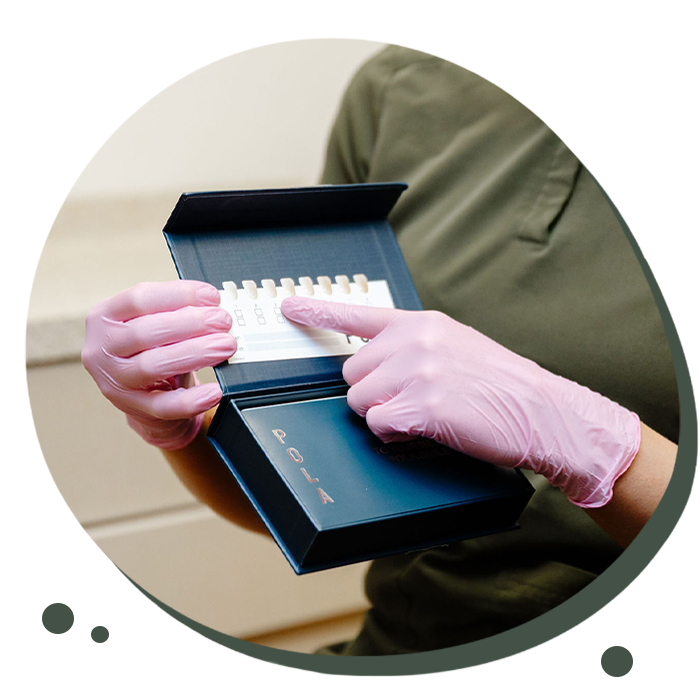
Each maintenance cleaning follows a structured clinical process based on your oral health needs.
Your appointment will include:
If any concerns are identified, recommendations are discussed so you can make informed decisions about next steps.
Professional instruments are used to remove plaque and hardened tartar from areas that are difficult to reach with home care alone, including along the gumline and between teeth.
Gum tissues are assessed for signs of inflammation, bleeding, or changes in attachment that may indicate early gum disease.
Maintenance cleanings provide an opportunity to identify cavities, enamel wear, fractures, or bite changes before symptoms develop.
Most patients are advised to have maintenance cleanings every six months. However, recommendations may vary depending on:
Patients with active gum disease may require periodontal therapy before returning to a maintenance schedule.
• Head, neck & jaw examination • Evaluation of temporomandibular joints • Evaluation of occlusion of teeth • Evaluation of the movements of the jaw • Evaluation of posture • Bite registration
If a comprehensive evaluation is recommended, complete non-invasive diagnostic testing follows, including: • Diagnostic imaging • Computerized Mandibular Scan (CMS) • Electromyography (EMG) • Sonography (EMG) • Computerized jaw tracking • Musculoskeletal assessment
Maintenance cleanings are intended for patients with healthy or stable gums. When deeper infection or bone loss is present, a different type of cleaning may be required.
If periodontal concerns are identified, treatment options such as Periodontal Therapy may be recommended before ongoing maintenance care can continue.
Some patients experience dental anxiety, heightened sensitivity, or difficulty tolerating dental procedures. For these individuals, numbing or sedation options may be appropriate.
Depending on your needs and medical history, options may include:
Sedation options are discussed in advance, and suitability is determined on an individual basis. For more information, patients may be referred to our Sedation Dentistry page.
At Dentology Dental, maintenance cleanings are part of an ongoing preventive care plan. These appointments support oral health through consistent monitoring, professional care, and evidence-based recommendations.
If you are due for a maintenance cleaning or have questions about your oral health, we invite you to book an appointment to continue your preventive care.
The dentist examines the teeth, gums, and jaw. They check spacing, alignment, and tooth position. 3D Imaging (CBCT) provides a detailed view of roots and nerves. This helps guide safe extraction planning.
After removal, patients receive written aftercare instructions. These instructions help reduce infection risk and support healing. Follow-up visits may be recommended when needed.
INVISALIGN

IMPLANTS

WHITENING
CROWNS
Wisdom teeth often appear between ages 17 and 25.
However, timing varies by person.