
Laser snoring treatment is a dental procedure used to address snoring caused by vibration of soft tissues in the airway. At Dentology Dental, Solea Sleep treatment may be considered for patients who experience chronic snoring related to soft tissue relaxation in the throat.
Solea Sleep is a procedure that uses the Solea® technology to tighten and reshape soft tissues in the back of the mouth and throat. These tissues may include the soft palate and surrounding airway structures.
When these tissues relax during sleep, they may vibrate as air passes through the airway. This vibration is a common cause of snoring.
Solea® applies controlled energy to these tissues, which may help firm the tissue structure and reduce vibration during breathing.
The procedure focuses on the soft tissues involved in snoring rather than the teeth or jaw.
Solea Sleep may be considered when snoring is related to soft tissue vibration in the airway rather than structural airway blockage.
This treatment may be recommended for patients who:
A consultation may be required before treatment is recommended.
Some symptoms may indicate that snoring is related to soft tissue vibration in the airway.
Signs that evaluation may be helpful include:
A consultation is required to determine whether laser treatment may be appropriate.
Patients who may have sleep apnea may require further evaluation before treatment options are considered.
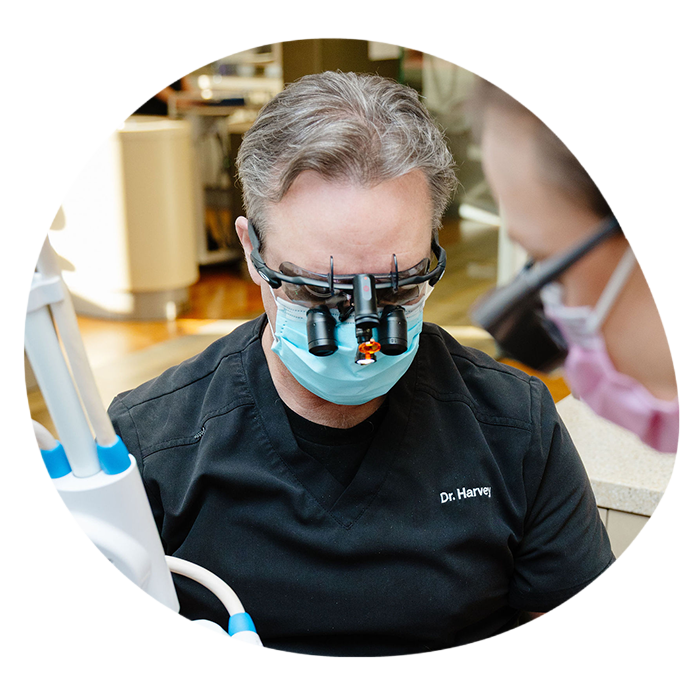
Professional instruments are used to remove plaque and hardened tartar from areas that are difficult to reach with home care alone, including along the gumline and between teeth.
Solea Sleep focuses on the tissues at the back of the mouth.
During the procedure, Solea® is used to apply controlled energy to the soft palate and nearby tissues. This energy gently remodels the collagen in the tissue, which may stimulate tightening of the tissue structure.
The goal of treatment is to reduce the amount of tissue vibration that occurs during airflow while sleeping.
The procedure is performed in the dental clinic. The number of sessions recommended may vary depending on the patient’s airway condition and treatment response.
H2: Technology Used in Laser Snoring Treatment
Solea® technology allows us to target soft tissues in the mouth with precision.
Additional diagnostic tools may include:
Technology helps dentists evaluate airway conditions and determine whether laser treatment may be suitable.
Maintaining healthy oral tissues may support the results of snoring treatment.
Brushing and flossing help maintain oral health and reduce bacterial buildup that may affect soft tissues in the mouth.
Patients should monitor changes in snoring patterns after treatment. If snoring persists or worsens, further evaluation may be recommended.
Your dentist may review airway symptoms during routine visits.
Routine dental examinations allow your dentist to monitor oral health and identify changes in airway structures that may affect breathing during sleep.
Regular visits also support early identification of other dental concerns such as gum disease treatment needs or restorative care.
Solea Sleep is one of several approaches that may be considered for snoring.
Other treatment options may include:
Some patients may benefit from dental sleep appliances. These appliances may be considered when snoring is related to jaw position rather than soft tissue vibration.
A dental and medical evaluation helps determine which treatment option may be appropriate.
Solea Sleep focuses on soft tissues in the airway. It may not address all causes of snoring.
Laser treatment may not be suitable when:
In these cases, additional medical evaluation or other treatments may be required.
A sleep study may be recommended when sleep apnea is suspected.
At Dentology Dental, Solea Sleep treatment may be considered for patients who experience snoring related to soft tissue vibration in the airway. Treatment decisions are based on clinical findings, airway evaluation, and overall health considerations.
Because snoring may have multiple causes, evaluation may involve collaboration with medical professionals when sleep apnea is suspected.
If you have concerns about snoring or sleep-related breathing disturbances, we invite you to book an appointment to determine whether laser snoring treatment or other options may be appropriate for your needs.
Dentology Dental provides dental care for jaw and sleep concerns.
Services include evaluation and treatment planning.
Care decisions follow professional dental standards.
Treatment is based on individual findings.
Teeth whitening results can vary depending on lifestyle habits and oral hygiene.
Maintaining results may involve:
Teeth whitening is designed to lighten the colour of natural tooth enamel. However, not all types of discolouration or dental concerns can be corrected through whitening treatments.
Whitening treatments do not change the colour of dental restorations such as dental crowns, veneers, dental bridges, or dental implants. These materials do not respond to whitening agents and will remain the same shade after treatment.
In addition, whitening may have a limited effect on certain types of internal discolouration caused by developmental conditions, trauma, or medication exposure during tooth formation. If discolouration is related to these factors, other cosmetic treatments such as veneers, dental crowns, or other cosmetic dentistry procedures may be discussed to improve the appearance of the affected teeth.
A dental examination helps determine whether whitening alone is appropriate or whether another treatment option may provide more predictable results.
Teeth whitening and veneers are used to improve the appearance of teeth, but they address different types of concerns.
Teeth whitening is a non-invasive treatment that lightens the natural colour of tooth enamel. It is typically recommended when discolouration is related to surface staining or general darkening of the teeth.
Veneers are thin restorations that are bonded to the front surface of teeth. They may be considered when cosmetic concerns involve more than colour, such as uneven tooth shape, minor alignment concerns, or discolouration that does not respond to whitening treatments. In some cases, whitening may be used before placing veneers so that surrounding natural teeth can be matched to the desired shade.
A consultation allows your dentist to determine whether teeth whitening, veneers, or another cosmetic dentistry treatment may be the most appropriate option based on your goals and oral condition.
The longevity of teeth whitening results varies depending on individual habits, oral hygiene, and the type of whitening treatment used.
Professional whitening treatments can provide noticeable improvements in tooth shade, but teeth are naturally exposed to substances that may cause staining over time. Staining foods and beverages such as coffee, tea, and red wine, as well as tobacco use, can gradually affect tooth whiteness.
Maintaining whitening results often involves:
In some cases, patients who wish to maintain a consistent tooth shade in the long term may explore cosmetic options such as veneers or other cosmetic dentistry treatments.
A dental examination can help determine the most appropriate approach for maintaining whitening results based on your oral health and goals.
At Dentology Dental, teeth whitening is provided as part of a comprehensive cosmetic dentistry approach. Treatment recommendations are based on oral health, the cause of discolouration, and realistic expectations for whitening results.
If you want to improve your smile or have questions about professional whitening, we invite you to book an appointment to see if the process is right for you.
If you are interested in improving the appearance of your smile or have questions about professional whitening treatments, we invite you to book an appointment to determine whether teeth whitening may be appropriate for your needs.
The dentist examines the teeth, gums, and jaw. They check spacing, alignment, and tooth position. 3D Imaging (CBCT) provides a detailed view of roots and nerves. This helps guide safe extraction planning.
After removal, patients receive written aftercare instructions. These instructions help reduce infection risk and support healing. Follow-up visits may be recommended when needed.

INVISALIGN

IMPLANTS

WHITENING
CROWNS
Yes.
Jaw tension may disrupt sleep.
No.
Bite and jaw position also play roles.
They protect teeth.
Grinding may still occur.
Sometimes.
Evaluation helps determine overlap.
Yes.
Assessment guides safe care.