Dental Anxiety Support

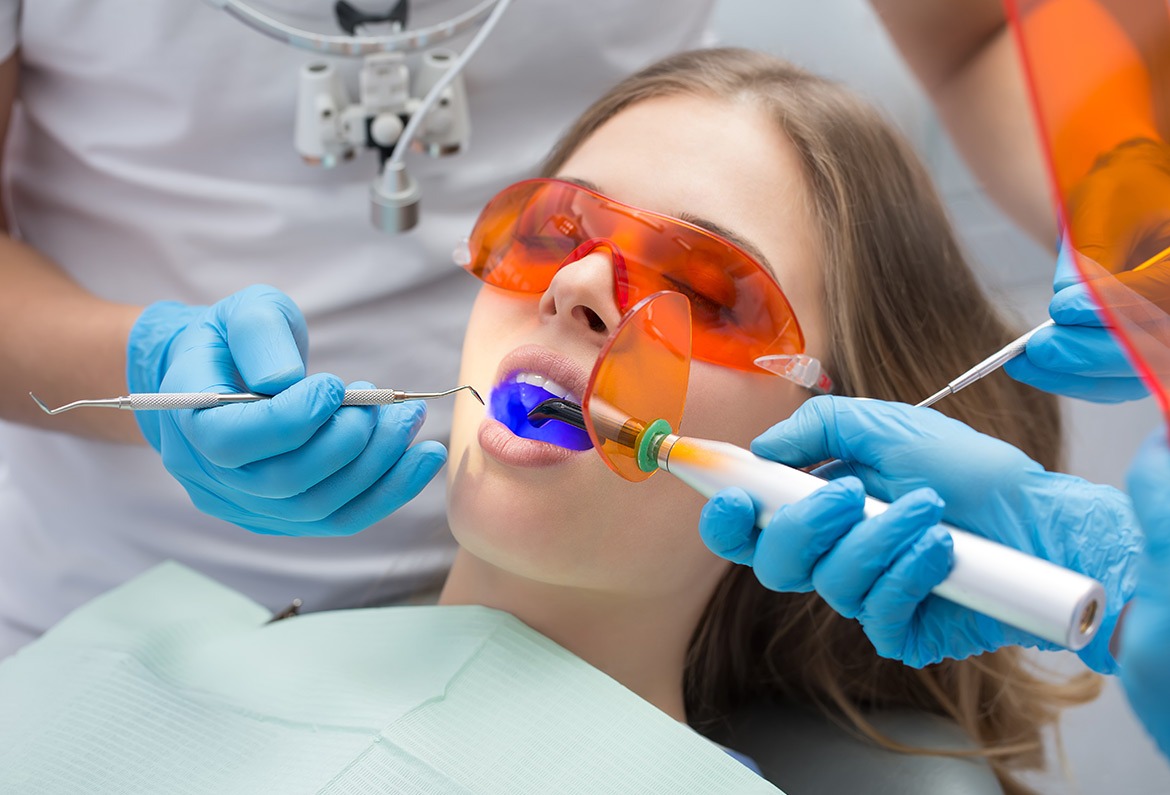
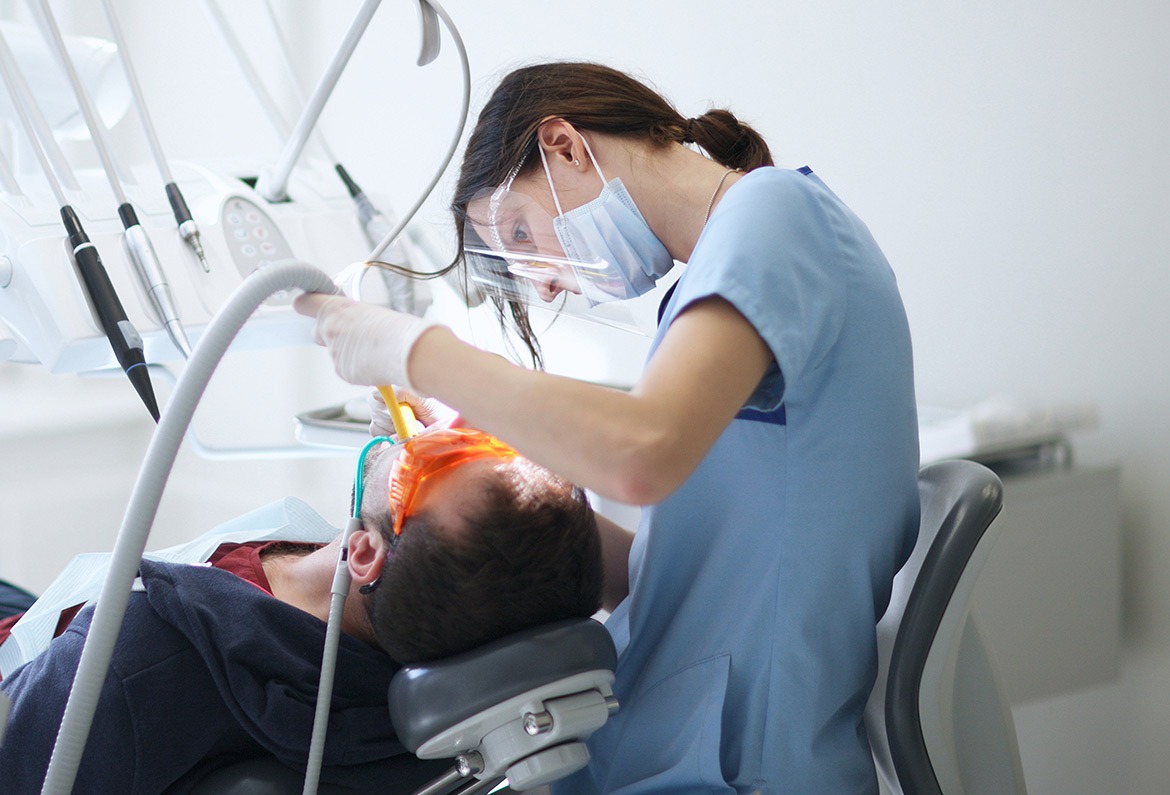
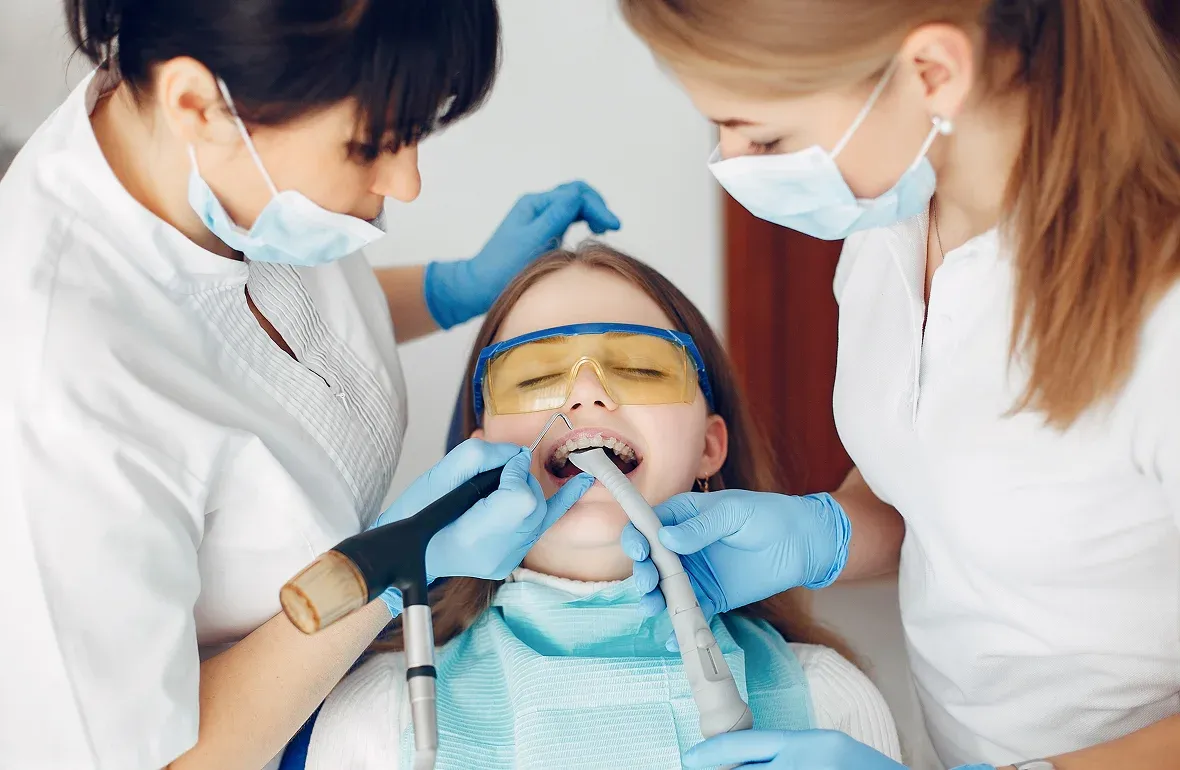
Dental anxiety refers to feelings of fear or stress related to dental visits or treatment. At Dentology Dental, several clinical approaches may be considered to help patients during dental care. 

This page explains what dental anxiety support involves, when these options may be considered, and how dental teams plan to care for patients who experience anxiety during treatment. 

What Is Dental Anxiety Support?

Dental anxiety support refers to clinical methods used to help reduce stress during dental care. These methods may involve planning, communication, technology, or sedation options. 

The approach used depends on the type of dental procedure, the patient’s medical history, and the level of anxiety present. 

Some treatments may be completed using needle-free techniques, while others may involve sedation methods that help patients remain relaxed during care. 

A dental examination is required to determine which options may be appropriate. 

Why Dental Anxiety Support May Be Recommended

Dental anxiety support may be considered when fear or stress makes it difficult for a patient to receive dental care. 

Patients may experience anxiety due to: 

  1. Previous dental experiences 
  2. Fear of needles or dental instruments 
  3. Sensitivity to sounds or sensations during treatment 
  4. Concern about physical sensations during procedures 
  5. Difficulty sitting through longer dental appointments 

When anxiety affects a patient’s ability to receive care, dentists may consider options that allow treatment to proceed in a controlled and safe way. 

A dental examination is required before any approach is recommended. 

Signs You May Benefit From Dental Anxiety Support

Some patients notice physical or emotional responses before or during dental visits. 

Signs that dental anxiety support may be helpful include: 

  1. Feeling nervous before dental appointments 
  2. Avoiding dental visits because of fear 
  3. Difficulty remaining relaxed during treatment 
  4. Sensitivity to dental instruments or sounds 
  5. Strong gag reflex during dental procedures 

A dental examination helps determine whether anxiety support options may be appropriate. 

“I get all my prescriptions through this app. now I never have to waste my time going to a doctors office and sitting around the waiting room!”

Theo James

“I love my dermatologist that I found on this app! She is very professional and it’s so easy to just chat or video call her whenever I need something!”

Emilia Munro

“I downloaded this app when i was super sick and had a doctor write me a prescription within 15 minutes!! What a life-changing app!”

Branden Griffiths

Signs You May Benefit From an Evaluation

Some patients notice physical or emotional responses before or during dental visits. 

Signs that dental anxiety support may be helpful include: 

  1. Feeling nervous before dental appointments 
  2. Avoiding dental visits because of fear 
  3. Difficulty remaining relaxed during treatment 
  4. Sensitivity to dental instruments or sounds 
  5. Strong gag reflex during dental procedures 

A dental examination helps determine whether anxiety support options may be appropriate. 

Dental Sedation Options

Dental sedation may be considered when patients experience moderate to higher levels of anxiety during treatment. 

Sedation does not always involve being asleep. Many sedation methods allow patients to remain responsive while feeling relaxed. 

Dentology Dental offers Nitrous Oxide, also known as laughing gas. This method may help reduce awareness of the procedure while allowing patients to remain awake. 

In some cases, oral anxiolytic medication may also be prescribed before treatment. This option requires a companion to provide transportation after the appointment. 

Sedation selection depends on: 

  1. Medical history 
  2. Length of the dental procedure 
  3. The patient’s level of anxiety 

What Sedation Dentistry Means

Sedation dentistry is a general term used to describe dental care performed with sedation. 

At Dentology Dental, sedation methods allow patients to remain responsive while feeling more relaxed during treatment. Patients breathe normally and do not require assisted breathing devices. 

Sedation dentistry may involve a combination of: 

  1. Nitrous Oxide 
  2. Oral anxiolytic medication 
  3. Local anesthetic when required 

The specific approach depends on the type of dental procedure and the patient’s clinical needs. 

Technology Used to Support Anxiety Management

Dental technology may help identify structural factors that contribute to airway restriction. 

Dentists may use: 

  1. Digital X-rays to evaluate jaw and airway structure 
  2. Digital scanners to capture detailed models of the teeth and bite 
  3. Imaging tools to assess the relationship between the jaw, tongue, and airway 

These tools help dentists understand how dental structures may affect breathing during sleep. 

Who May Benefit From Dental Anxiety Support

Dental anxiety support may help patients who find dental visits difficult due to fear or physical sensations. 

Patients who may benefit include those who: 

Avoid dental visits due to anxiety

Have a strong gag reflex

Require longer dental procedures

Need multiple treatments completed over time

Need multiple treatments completed over time

These options may support care such as: 

  1. Check-ups and cleanings 
  2. Cavity treatment 
  3. Root canal therapy 
  4. Crowns and Veneers 
  5. Implants 

A dental examination helps determine which approach may be appropriate. 

Using Anxiety Support for Ongoing Dental Care

Some patients use anxiety support temporarily while completing specific treatments. Others may choose to include these options in long-term dental care plans. 

Routine dental examinations help identify dental concerns early. Early treatment may reduce the need for more complex procedures. 

Your dentist will review available options and discuss the most appropriate approach at each visit. 

Healing After Wisdom Teeth Removal

Healing time differs for each patient.
Swelling or soreness may occur for several days.

Following aftercare instructions supports recovery.
Patients should contact the clinic with concerns.

Shape

Dental Technology Used for Wisdom Teeth Removal

Dentology Dental uses 3D Imaging (CBCT) to assess tooth position. This imaging shows bone structure and root location. Digital Scanners may support treatment planning. Technology use depends on clinical findings.

How Wisdom Teeth Removal Is Planned

Dental Assessment and Imaging

The dentist examines the teeth, gums, and jaw. They check spacing, alignment, and tooth position. 3D Imaging (CBCT) provides a detailed view of roots and nerves. This helps guide safe extraction planning.

Treatment and Aftercare

After removal, patients receive written aftercare instructions. These instructions help reduce infection risk and support healing. Follow-up visits may be recommended when needed.

Our users are Happy & Healthy

“I get all my prescriptions through this app. now I never have to waste my time going to a doctors office and sitting around the waiting room!”

Theo James

“I love my dermatologist that I found on this app! She is very professional and it’s so easy to just chat or video call her whenever I need something!”

Emilia Munro

“I downloaded this app when i was super sick and had a doctor write me a prescription within 15 minutes!! What a life-changing app!”

Branden Griffiths
Dental Anxiety Support at Dentology Dental

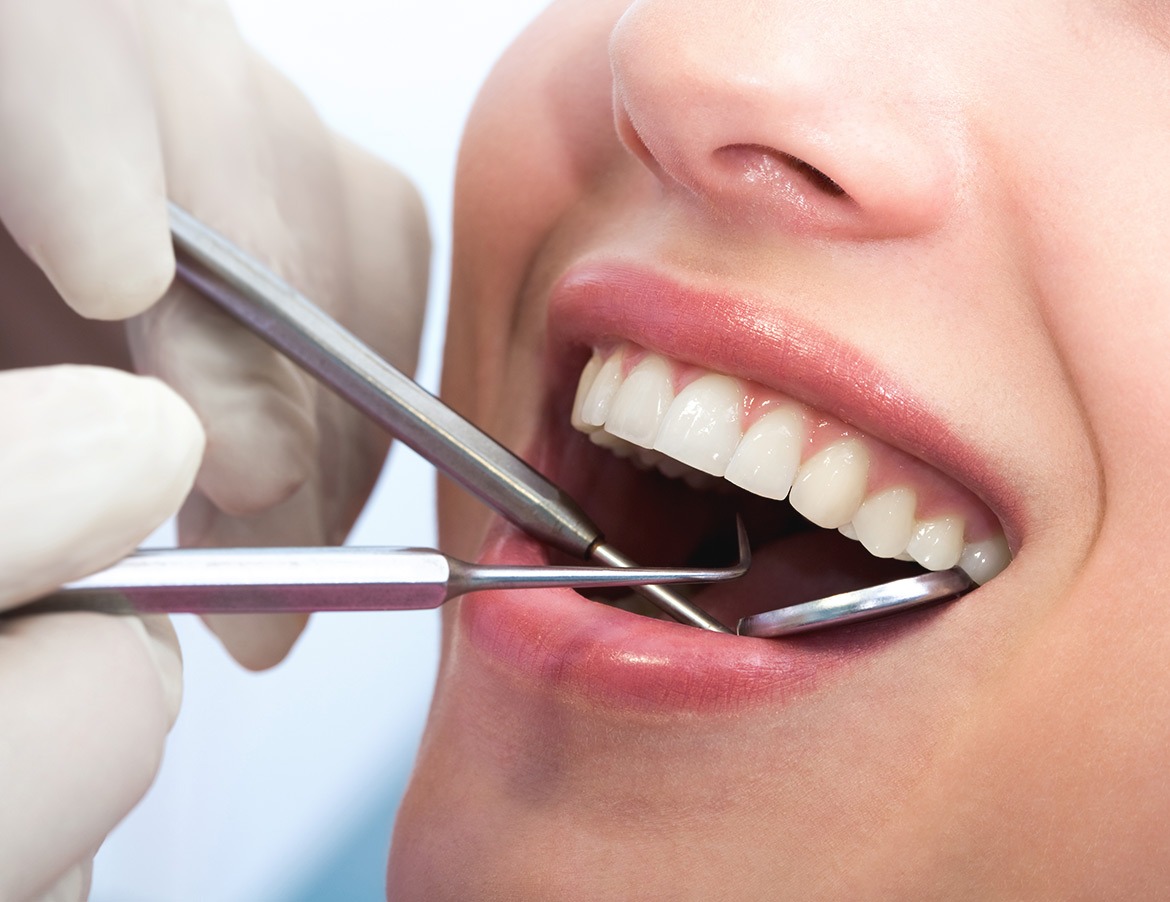
At Dentology Dental, anxiety support options may be considered as part of treatment planning for patients who experience fear or stress during dental care. 

Treatment decisions are based on medical history, dental findings, and the type of procedure being performed. The goal is to support safe and predictable dental care. 

If you have questions about dental anxiety support or would like to discuss available options, we invite you to book an appointment for a dental examination. 

What Wisdom Teeth Removal Involves

Wisdom teeth removal is a type of Dental Extraction.
It removes one or more third molars from the mouth.

Before removal, the dentist reviews tooth position and jaw structure.
This step helps reduce risks during treatment.

Dentology Dental uses 3D Imaging (CBCT) to view tooth roots and bone.
These images support accurate treatment planning.

Wisdom Teeth Removal - Common Questions

Wisdom teeth often appear between ages 17 and 25.
However, timing varies by person.

No, removal depends on tooth position and risk. Dentists evaluate this during exams.
Dentists use exams and 3D Imaging (CBCT). These tools show roots, bone, and nerves.
Some teeth remain problem-free. Others may cause infection, crowding, or pain.
Initial healing usually takes several days. Complete healing takes longer.

Healthcare partnerships

20,000 doctors, 150 specialties,

4.9/5

Dr. Rachel Haldims

Family medicine

20 years experience

5/5

Dr. Mariel Senry

neurologist

13 years experience

4.8/5

Dr. Damian Pix

orthopedic surgeon

16 years experience

4.5/5

Dr. Shi Yon

Cardiovascular Specialist

11 years experience

How does it work?

1

Download the app or sign up online

Malesuada fames ac turpis egestas integer eget aliquet nibh.

2

Find a doctor

msalesuada fames ac turpis egestas integer eget aliquet nibh. Egestas maecenas pharetra.

Dr. Chyna Jackson

Optometrist Specialist

3

Get your diagnosis and prescription

Malesuada fames ac turpis egestas integer eget aliquet nibh.

4

Free Follow-ups as needed

msalesuada fames ac turpis egestas integer eget aliquet nibh. Egestas maecenas pharetra.