What Is Snoring & Sleep Apnea

Snoring and sleep apnea are sleep-related breathing conditions that can affect sleep quality and overall health. At Dentology Dental, patients may seek evaluation when symptoms such as loud snoring, interrupted sleep, or daytime fatigue are present. 

This page explains what snoring and sleep apnea are, why they occur, how they are identified, and how dental professionals may assist in managing airway-related sleep concerns. 

What Is Snoring?

Snoring occurs when airflow through the mouth or nose becomes partially blocked during sleep. As air moves through a narrowed airway, the surrounding tissues vibrate, creating the sound known as snoring. 

Snoring can occur occasionally for many people. However, frequent or loud snoring may indicate an underlying airway obstruction. 

Several factors may contribute to snoring, including: 

  1. Relaxation of throat muscles during sleep 
  2. Nasal congestion or restricted nasal passages 
  3. The position of the tongue or jaw during sleep 
  4. Excess tissue in the airway 
  5. Sleeping on the back 

While snoring may appear harmless, persistent snoring can sometimes be associated with sleep apnea. 

What Is Sleep Apnea?

Sleep apnea is a medical condition that causes repeated pauses in breathing during sleep. These pauses occur when the airway becomes partially or fully blocked. 

The most common form is obstructive sleep apnea (OSA). This occurs when the muscles of the throat relax during sleep, allowing soft tissues to narrow or block the airway. 

When breathing pauses occur, the body briefly wakes to restore airflow. These interruptions may happen many times during the night. 

Common symptoms of sleep apnea include: 

  1. Loud or chronic snoring 
  2. Pauses in breathing during sleep 
  3. Sudden waking or gasping for air 
  4. Daytime fatigue or difficulty concentrating 
  5. Morning headaches 

A medical evaluation is required to diagnose sleep apnea. 

Why Snoring and Sleep Apnea Occur

Both snoring and sleep apnea are related to how air moves through the upper airway during sleep. 

During sleep, muscles in the throat and tongue naturally relax. In some individuals, this relaxation causes the airway to narrow. 

Factors that may increase the likelihood of airway obstruction include: 

  1. Jaw position during sleep 
  2. Tongue position blocking the airway 
  3. Narrow airway structure 
  4. Enlarged tonsils or soft tissues in the throat 
  5. Excess body weight affecting airway tissues 

In some cases, the position of the lower jaw and tongue may contribute to airway restriction during sleep. 

“I get all my prescriptions through this app. now I never have to waste my time going to a doctors office and sitting around the waiting room!”

Theo James

“I love my dermatologist that I found on this app! She is very professional and it’s so easy to just chat or video call her whenever I need something!”

Emilia Munro

“I downloaded this app when i was super sick and had a doctor write me a prescription within 15 minutes!! What a life-changing app!”

Branden Griffiths

Signs You May Benefit From an Evaluation

Some symptoms may suggest that a sleep-related breathing condition is present. 

Signs that may indicate the need for evaluation include: 

  1. Loud or regular snoring 
  2. Pauses in breathing noticed by a partner 
  3. Waking suddenly during the night 
  4. Excessive daytime sleepiness 
  5. Difficulty concentrating during the day 

If these symptoms occur regularly, a healthcare professional may recommend further assessment through a sleep study. 

How Snoring and Sleep Apnea Are Evaluated

Sleep apnea cannot be diagnosed during a dental visit alone. Diagnosis is typically made through a sleep study ordered by a physician. 

Sleep studies measure breathing patterns, oxygen levels, and sleep cycles during the night. These tests help determine whether sleep apnea is present and how severe the condition may be. 

Dentists may assist by identifying signs that suggest airway restriction and referring patients for further evaluation when appropriate. 

In some cases, dentists may work with physicians to support treatment planning after a diagnosis is confirmed. 

Dental Treatment Options for Snoring and Sleep Apnea

After a diagnosis of obstructive sleep apnea is confirmed, some patients may be candidates for oral appliance therapy. 

Oral appliances are custom dental devices worn during sleep. These devices reposition the lower jaw slightly forward to help keep the airway open. 

By adjusting the position of the jaw and tongue, oral appliances may help reduce airway obstruction during sleep. 

This type of treatment may be considered when: 

  1. Snoring occurs without severe sleep apnea 
  2. Mild to moderate obstructive sleep apnea is present 
  3. Patients cannot tolerate CPAP therapy 

A dental examination is required to determine whether oral appliance therapy may be appropriate. 

Technology Used to Evaluate Airway Concerns

Dental technology may help identify structural factors that contribute to airway restriction. 

Dentists may use: 

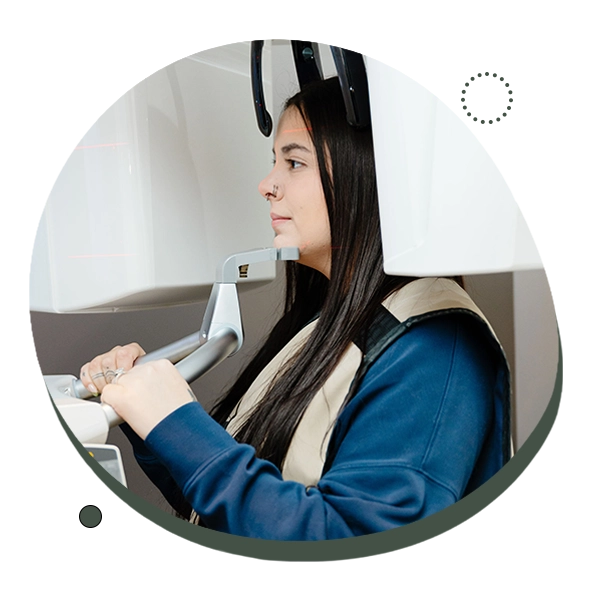
  1. Digital X-rays to evaluate jaw and airway structure 
  2. Digital scanners to capture detailed models of the teeth and bite 
  3. Imaging tools to assess the relationship between the jaw, tongue, and airway 

These tools help dentists understand how dental structures may affect breathing during sleep. 

Technology Used to Evaluate Airway Concerns

Treatment for snoring and sleep apnea may involve a combination of medical and dental approaches. 

Management options may include: 

CPAP therapy prescribed by a physician

Oral appliance therapy provided by a dentist

Changes to sleep position

Weight management when recommended by healthcare providers

Snoring and Sleep Apnea Support at Dentology Dental

At Dentology Dental, airway-related sleep concerns may be discussed as part of dental evaluation and treatment planning. Dentists may identify signs of airway restriction and help determine whether dental treatment options such as oral appliances may be appropriate. 

Care for sleep-related breathing conditions often involves collaboration between dentists and medical professionals. 

If you have concerns about snoring or possible sleep apnea, we invite you to book an appointment to discuss your symptoms and determine whether further evaluation may be recommended. 

Healing After Wisdom Teeth Removal

Healing time differs for each patient.
Swelling or soreness may occur for several days.

Following aftercare instructions supports recovery.
Patients should contact the clinic with concerns.

Shape

Dental Technology Used for Wisdom Teeth Removal

Dentology Dental uses 3D Imaging (CBCT) to assess tooth position. This imaging shows bone structure and root location. Digital Scanners may support treatment planning. Technology use depends on clinical findings.

How Wisdom Teeth Removal Is Planned

Dental Assessment and Imaging

The dentist examines the teeth, gums, and jaw. They check spacing, alignment, and tooth position. 3D Imaging (CBCT) provides a detailed view of roots and nerves. This helps guide safe extraction planning.

Treatment and Aftercare

After removal, patients receive written aftercare instructions. These instructions help reduce infection risk and support healing. Follow-up visits may be recommended when needed.

Our users are Happy & Healthy

“I get all my prescriptions through this app. now I never have to waste my time going to a doctors office and sitting around the waiting room!”

Theo James

“I love my dermatologist that I found on this app! She is very professional and it’s so easy to just chat or video call her whenever I need something!”

Emilia Munro

“I downloaded this app when i was super sick and had a doctor write me a prescription within 15 minutes!! What a life-changing app!”

Branden Griffiths
Why Wisdom Teeth Are Removed

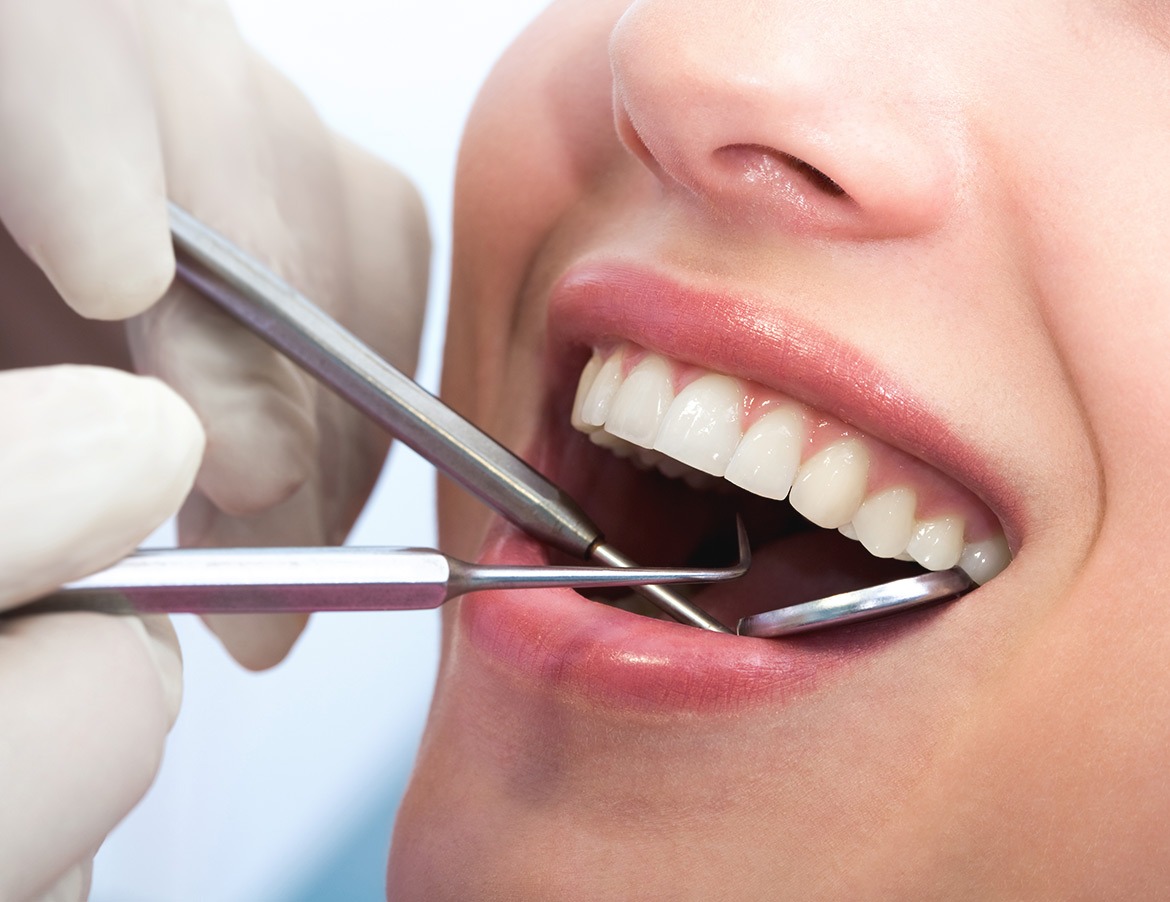
Wisdom teeth are removed to help prevent dental problems. Because these teeth often lack space, they may grow improperly. Crowded wisdom teeth can trap bacteria and food debris. As a result, the risk of infection or decay may increase. Impacted teeth can also press against nearby teeth. This pressure may affect alignment over time. Routine Dental Checkups and Exams allow dentists to monitor wisdom teeth. Early planning may reduce future complications. Shape

What Wisdom Teeth Removal Involves

Wisdom teeth removal is a type of Dental Extraction.
It removes one or more third molars from the mouth.

Before removal, the dentist reviews tooth position and jaw structure.
This step helps reduce risks during treatment.

Dentology Dental uses 3D Imaging (CBCT) to view tooth roots and bone.
These images support accurate treatment planning.

Wisdom Teeth Removal - Common Questions

Wisdom teeth often appear between ages 17 and 25.
However, timing varies by person.

No, removal depends on tooth position and risk. Dentists evaluate this during exams.
Dentists use exams and 3D Imaging (CBCT). These tools show roots, bone, and nerves.
Some teeth remain problem-free. Others may cause infection, crowding, or pain.
Initial healing usually takes several days. Complete healing takes longer.

Healthcare partnerships

20,000 doctors, 150 specialties,

4.9/5

Dr. Rachel Haldims

Family medicine

20 years experience

5/5

Dr. Mariel Senry

neurologist

13 years experience

4.8/5

Dr. Damian Pix

orthopedic surgeon

16 years experience

4.5/5

Dr. Shi Yon

Cardiovascular Specialist

11 years experience

How does it work?

1

Download the app or sign up online

Malesuada fames ac turpis egestas integer eget aliquet nibh.

2

Find a doctor

msalesuada fames ac turpis egestas integer eget aliquet nibh. Egestas maecenas pharetra.

Dr. Chyna Jackson

Optometrist Specialist

3

Get your diagnosis and prescription

Malesuada fames ac turpis egestas integer eget aliquet nibh.

4

Free Follow-ups as needed

msalesuada fames ac turpis egestas integer eget aliquet nibh. Egestas maecenas pharetra.