Root canal treatment is used to treat infection or inflammation inside a tooth. At Dentology Dental, root canals are recommended when diagnostic imaging, examination and tooth vitality testing show damage to the inner tooth structure, such as infection near the root, inflammation of the pulp, or changes to the surrounding bone.
A root canal removes the infected or inflamed inner portion of the tooth, called the pulp, which contains nerves and blood vessels. When the pulp becomes damaged due to deep decay, trauma, or cracks in the tooth, bacteria can enter and cause infection or ongoing inflammation.
Root canal treatment involves cleaning the inside of the tooth, disinfecting the canals of the tooth, and sealing it to help prevent further infection.
Why Root Canal Treatment May Be Recommended
Without treatment, infection can continue to spread within the tooth and into the surrounding bone, increasing the risk of pain, abscess formation, and tooth loss.
Root canal treatment may be recommended to preserve the natural tooth, remove infection from within the tooth, and prevent further damage to surrounding tissues.
Signs You May Need a Root Canal
Symptoms vary depending on the severity of infection. Some patients experience noticeable discomfort, while others have few or no symptoms.
Possible signs include:
Persistent tooth pain
Sensitivity to heat or cold that lingers
Pain when biting or chewing
Swelling or tenderness in the gums near a tooth
Darkening or discolouration of a tooth
In some cases, infection is identified through dental imaging before symptoms develop.
How Root Canal Treatment Is Performed
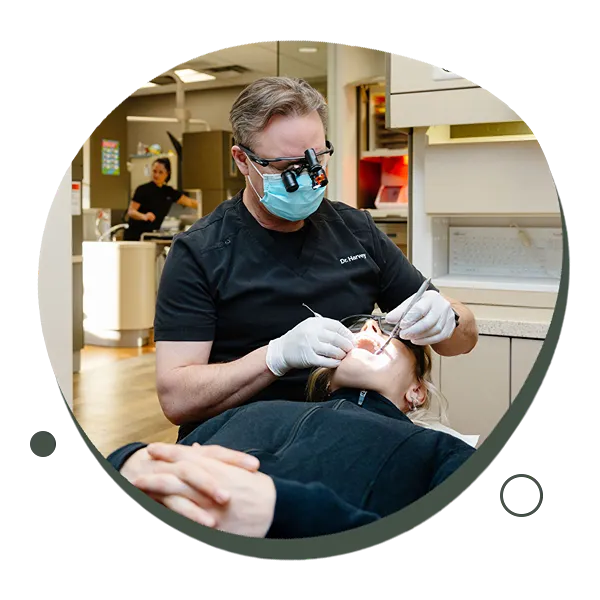
Local anesthetic is used to numb the area, the tooth is isolated, and an opening is made to access the infected pulp.
The damaged pulp is removed, and the canals of the tooth are cleaned and disinfected. Then the canals are filled and sealed to help prevent reinfection. In many cases, a temporary or permanent restoration is placed.
Depending on the amount of remaining tooth structure, a crown may be recommended to restore strength and function.
Numbing and Sedation Options
Local anesthetic is used during root canal treatment to numb the treated area. In certain cases, sedation options may be discussed based on patient comfort and medical history. All numbing and sedation options are reviewed in advance to ensure suitability and informed consent.
Follow up and Restoration
Attend any recommended follow-up appointments. If a crown or permanent restoration is advised, completing this step helps protect the tooth in the long term.
Root Canal Treatment at Dentology Dental
At Dentology Dental, root canal treatment focuses on identifying the source of infection, preserving natural teeth, and supporting long-term oral health. We take time to explain findings, review treatment options, and help patients make informed decisions about their care.
Check-ups and cleanings allow us to detect cavities and cracks before they reach the pulp. Prompt cavity treatment, protective restorations such as crowns, and managing habits like clenching or grinding with night guards can all help reduce the risk of infection reaching the inner tooth.
If you are experiencing tooth pain or have been told you may need a root canal, we invite you to book an appointment for evaluation and guidance.