At Dentology Dental, our goal is to help you understand what wisdom teeth are, why they sometimes cause problems, and how we approach treatment with comfort, clarity, and care.
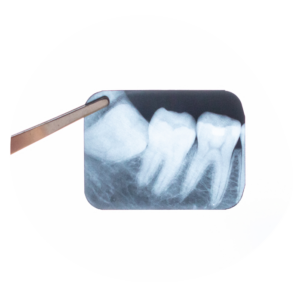
Wisdom teeth are the third set of molars that typically emerge in your late teens or early twenties. When space is limited, wisdom teeth can grow at awkward angles, remain trapped beneath the gums, or only partially erupt, increasing the risk of oral health issues.
Wisdom teeth don’t always cause immediate discomfort, although when they are located at the very back of the mouth, they are harder to clean and more difficult to monitor during regular brushing and flossing.
Impaction occurs when a wisdom tooth becomes anchored in the bone or beneath the gum sideways or at an angle. This can place pressure on neighbouring teeth, nerves, or bone. Over time, this can lead to pain, infection or damage to surrounding structures.
When a wisdom tooth only partially emerges, a small flap of gum tissue can remain over the tooth. This creates an ideal environment for bacteria and decay which cause cavities and in some cases infection.
Wisdom teeth that attempt to erupt without enough space can push against nearby teeth. This pressure may contribute to crowding, shifting, or bite changes.
In some cases, fluid-filled sacs or inflammatory tissue can develop around an impacted wisdom tooth. While often slow-growing, these changes can affect the surrounding bone and teeth if left untreated.
Even when wisdom teeth are not painful, these issues can quietly progress. This is why regular monitoring and early evaluation are important.
Some people experience clear symptoms, while others have no noticeable discomfort at all. Both situations can still require treatment.
Possible signs include:
Jaw discomfort can sometimes overlap with muscle tension or clenching related to stress. In these cases, we may also recommend exploring our anxiety solutions to support jaw comfort alongside dental care.
Removing problematic wisdom teeth early can reduce the risk of infection, crowding and damage to surrounding teeth.
In many cases, earlier removal also allows for:
Our recommendations are always personalized. If your wisdom teeth are healthy, well-positioned, and easy to keep clean, removal may not be necessary. We believe in conservative care and will only suggest treatment when it truly benefits your long-term oral health.
Every wisdom tooth assessment begins with a thorough examination. We use digital X-rays and, when needed, advanced imaging to evaluate tooth position, root development, and proximity to nearby structures such as nerves and sinuses.
We also consider:
You’ll have the opportunity to ask questions and understand your options before making any decisions.
Wisdom teeth removal can range from a simple extraction to a more involved surgical procedure, depending on how the teeth are positioned.
Local anesthesia is used to numb the area, and sedation options may be available depending on your needs and comfort level.
These tools support improved fit, function, and long-term performance of the appliance.
Most patients recover within a few days, with swelling and soreness gradually improving over the first week. We’ll provide clear aftercare instructions to support healing and reduce complications.
Follow-up care is always available, and we’re here to answer questions during recovery.
Dentures should be cleaned daily using a soft denture brush and a cleanser designed for dentures. This helps remove plaque, food particles, and buildup.
When dentures are not being worn, they should be stored in water or a denture solution to prevent drying or warping. Handle dentures carefully to avoid damage.
Even with dentures, oral hygiene remains important. Clean your gums, tongue, and any remaining natural teeth daily to help maintain oral health.
Over time, changes in the gums and jawbone may affect how dentures fit. If dentures feel loose, cause irritation, or no longer fit properly, contact the dental office for evaluation.
At Dentology Dental, we focus on education, prevention, and comfort, ensuring you feel confident in your care plan. If you have questions about your wisdom teeth or have been told they may need to be removed, we’re here to help. Book a consultation to discuss your options and receive personalized guidance based on your needs.
The dentist examines the teeth, gums, and jaw. They check spacing, alignment, and tooth position. 3D Imaging (CBCT) provides a detailed view of roots and nerves. This helps guide safe extraction planning.
After removal, patients receive written aftercare instructions. These instructions help reduce infection risk and support healing. Follow-up visits may be recommended when needed.
Wisdom teeth often appear between ages 17 and 25.
However, timing varies by person.