Crowns and veneers are a restorative dental treatment used to repair, protect or improve the appearance of teeth.
These may be considered when there are fractured or weakened teeth, large or failing restorations, severe wear or erosion, discolouration that does not respond to teeth whitening, irregular tooth shape or size and/or minor alignment concerns.
Recommendations are based on a clinical evaluation of tooth structure, function and long-term stability.
Snoring and sleep apnea are sleep-related breathing conditions that can affect sleep quality and overall health. At Dentology Dental, patients may seek evaluation when symptoms such as loud snoring, interrupted sleep, or daytime fatigue are present.
This page explains what snoring and sleep apnea are, why they occur, how they are identified, and how dental professionals may assist in managing airway-related sleep concerns.
Snoring occurs when airflow through the mouth or nose becomes partially blocked during sleep. As air moves through a narrowed airway, the surrounding tissues vibrate, creating the sound known as snoring.
Snoring can occur occasionally for many people. However, frequent or loud snoring may indicate an underlying airway obstruction.
Several factors may contribute to snoring, including:
While snoring may appear harmless, persistent snoring can sometimes be associated with sleep apnea.
Sleep apnea is a medical condition that causes repeated pauses in breathing during sleep. These pauses occur when the airway becomes partially or fully blocked.
The most common form is obstructive sleep apnea (OSA). This occurs when the muscles of the throat relax during sleep, allowing soft tissues to narrow or block the airway.
When breathing pauses occur, the body briefly wakes to restore airflow. These interruptions may happen many times during the night.
Common symptoms of sleep apnea include:
A medical evaluation is required to diagnose sleep apnea.
Both snoring and sleep apnea are related to how air moves through the upper airway during sleep.
During sleep, muscles in the throat and tongue naturally relax. In some individuals, this relaxation causes the airway to narrow.
Factors that may increase the likelihood of airway obstruction include:
In some cases, the position of the lower jaw and tongue may contribute to airway restriction during sleep.
Some symptoms may suggest that a sleep-related breathing condition is present.
Signs that may indicate the need for evaluation include:
If these symptoms occur regularly, a healthcare professional may recommend further assessment through a sleep study.
Sleep apnea cannot be diagnosed during a dental visit alone. Diagnosis is typically made through a sleep study ordered by a physician.
Sleep studies measure breathing patterns, oxygen levels, and sleep cycles during the night. These tests help determine whether sleep apnea is present and how severe the condition may be.
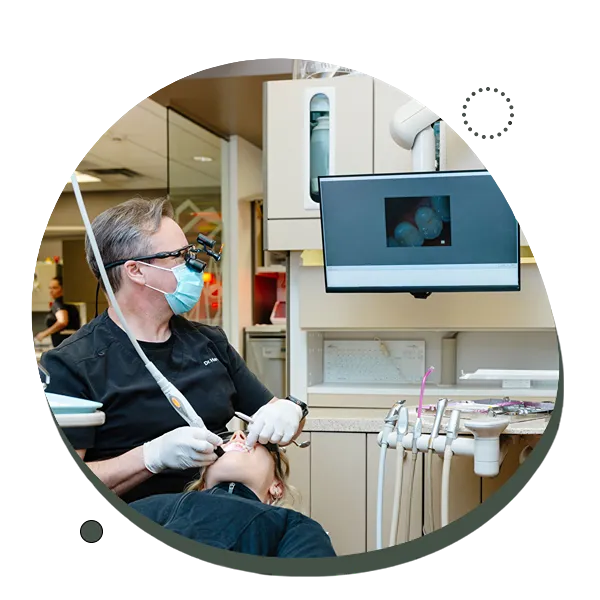
Dentists may assist by identifying signs that suggest airway restriction and referring patients for further evaluation when appropriate.
In some cases, dentists may work with physicians to support treatment planning after a diagnosis is confirmed.
After a diagnosis of obstructive sleep apnea is confirmed, some patients may be candidates for oral appliance therapy.
Oral appliances are custom dental devices worn during sleep. These devices reposition the lower jaw slightly forward to help keep the airway open.
By adjusting the position of the jaw and tongue, oral appliances may help reduce airway obstruction during sleep.
This type of treatment may be considered when:
A dental examination is required to determine whether oral appliance therapy may be appropriate.
Dental technology may help identify structural factors that contribute to airway restriction.
Dentists may use:
These tools help dentists understand how dental structures may affect breathing during sleep.
At Dentology Dental, airway-related sleep concerns may be discussed as part of dental evaluation and treatment planning. Dentists may identify signs of airway restriction and help determine whether dental treatment options such as oral appliances may be appropriate.
Care for sleep-related breathing conditions often involves collaboration between dentists and medical professionals.
If you have concerns about snoring or possible sleep apnea, we invite you to book an appointment to discuss your symptoms and determine whether further evaluation may be recommended.